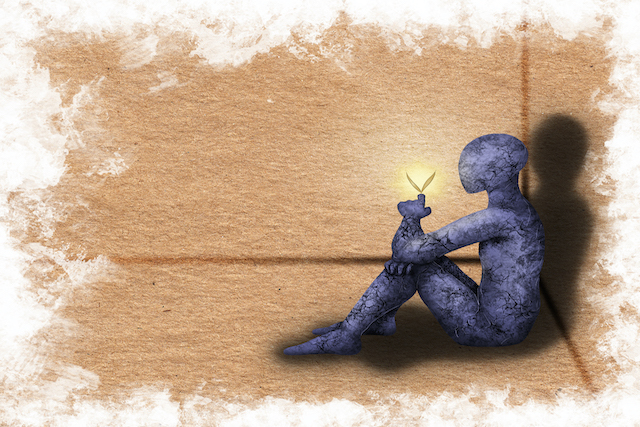
Healing After Heartbreak: A Guide to Letting Go
Okay, so you're going through a breakup. It hurts, right? Like, really hurts. You're probably feeling a whole mix of emotions: sadness, anger, confusion, maybe even a little bit of relief. And it's all valid. You're not alone in this, trust me. Breakups are tough, no matter how long you were together or what the circumstances were.
The good news is that healing is possible. You can get through this, and you will come out stronger on the other side. This guide will help you navigate the healing process and learn how to let go, move on, and find happiness again.
The Stages of Heartbreak
Let's face it, heartbreak isn't a neat and tidy process. There are going to be ups and downs, and that's totally okay. It's like a roller coaster ride, but instead of screaming with excitement, you're more likely to be sobbing into your ice cream.
Think of it like this: Imagine a roller coaster with different loops and drops. Each stage of heartbreak has its own set of challenges and emotions:
Denial and Shock
This is the initial phase where you might feel numb, confused, and even a little detached from what's happening. It's your brain's way of protecting you from overwhelming emotions. You might find yourself saying things like "This isn't happening" or "It's just a bad dream." It's totally normal.
Anger and Bargaining
As the initial shock wears off, anger might start to bubble up. You might be angry at your ex, at yourself, or even at the world. You might start to bargain with yourself, thinking things like, "If only I had done this differently, maybe things would be different." It's important to acknowledge these feelings but don't get stuck in them.
Sadness and Depression
This is probably the stage that most people associate with heartbreak. It's the time when the weight of what's happened really hits you. You might cry a lot, feel withdrawn, and lose interest in things you used to enjoy. This is a normal part of the healing process, but don't let it consume you.
Acceptance and Moving On
This is where things start to get better. You begin to accept the reality of the situation and start to move on. It's not about forgetting your ex or pretending it never happened. It's about accepting the past and looking towards the future.
Remember, these stages don't always happen in a linear order. You might experience them all at once, or you might skip a few altogether. Just know that everyone heals at their own pace, and there's no right or wrong way to do it.
How to Let Go and Move On
Letting go after a breakup is like untangling a giant ball of yarn. It takes time, patience, and a little bit of effort. Here are some strategies that might help you navigate the process:
Allow Yourself to Grieve
Don't try to bottle up your feelings. Allow yourself to grieve the loss of the relationship. Cry, scream, write in a journal, talk to a friend - do whatever you need to do to process your emotions. Don't judge yourself for feeling sad or angry. It's a natural part of healing.
Cut Off Contact (For Now)
This one might be tough, but it's important. Seeing your ex, texting them, or scrolling through their social media will only make it harder to move on. It's okay to cut off all contact for a while, until you feel strong enough to handle it.
Focus on Self-Care
During a breakup, it's easy to neglect your own needs. Now is the time to prioritize self-care. Eat healthy, get enough sleep, exercise, and engage in activities that bring you joy. Take care of yourself both physically and mentally.
Reach Out for Support
Don't isolate yourself. Talk to friends and family who support you. Consider joining a support group or talking to a therapist. Sharing your feelings with others can help you feel less alone and find strength in their support.
Practice Mindfulness
Mindfulness can be a powerful tool for healing. It helps you focus on the present moment and avoid getting caught up in negative thoughts and emotions. Try practicing meditation, yoga, or deep breathing exercises. It can help calm your mind and reduce stress.
Find New Hobbies and Activities
Channel your energy into something positive. Discover new hobbies, take up a new sport, or reconnect with old interests. Having new things to focus on can help you shift your attention away from the breakup and towards positive growth.
Give Yourself Time
There's no magic number for how long it takes to heal from heartbreak. It's a personal journey, and you'll need to give yourself the time and space to grieve, heal, and ultimately move on. Be patient with yourself and celebrate every step of the way.
The Takeaway: You're Stronger Than You Think
Heartbreak is a powerful experience, and it can be incredibly painful. But it's also an opportunity to learn, grow, and become a stronger, more resilient version of yourself. Remember, you are not alone in this. Everyone experiences heartbreak at some point in their lives. You have the strength to get through this and find happiness again.
Commonly Asked Questions
How do I know if I'm moving on?
You'll know you're moving on when you start to feel a sense of peace and acceptance. You won't obsess over your ex as much, and you'll start to feel excited about the future again. It might not happen overnight, but you'll gradually feel lighter and more at ease.
What if I still have feelings for my ex?
It's okay to still have feelings for your ex, even after you've decided to move on. It's important to acknowledge those feelings and allow yourself to feel them, but don't let them control your life. Focus on your own happiness and well-being.
Will I ever find love again?
Absolutely! Just because you've experienced heartbreak doesn't mean you won't find love again. In fact, it can often make you stronger and wiser in relationships. Be open to new experiences, and don't be afraid to take a chance on love again.
Remember, healing is a journey, not a destination. Be kind to yourself, celebrate your progress, and know that you will emerge from this stronger and more prepared for the future.
Comments
Post a Comment